When people hear suicide prevention, they may think about crisis lines, counseling, or helping someone who is already having suicidal thoughts. These services are essential, but prevention can also begin earlier by strengthening overall wellness.
Suicide Risk Is Complex
Suicide rarely has a single cause. Risk can be influenced by mental health conditions, substance use, chronic pain, relationship problems, social isolation, financial stress, and other challenges and risk factors. Because suicide is complex, prevention must also take a broad approach.
Wellness Can Strengthen Protective Factors
Protective factors may help reduce suicide risk or improve a person’s ability to cope with difficult situations. Examples of protective factors include having healthy coping and problem-solving skills, purpose in life, supportive relationships, and positive self-esteem. Many of these are closely connected to overall wellness.

Strengthening the Whole Person
Wellness can be one part of suicide prevention, but it does not replace mental health treatment, crisis intervention, safety planning, substance use treatment, or medical care.
Improving wellness cannot guarantee that someone will never experience suicidal thoughts. However, it may strengthen protective factors that people can rely on when life becomes difficult.
Small Steps Can Make a Difference
The Live Life Mission helps Missouri service members, veterans, and their families take small steps to improve their wellness and strengthen protective factors.
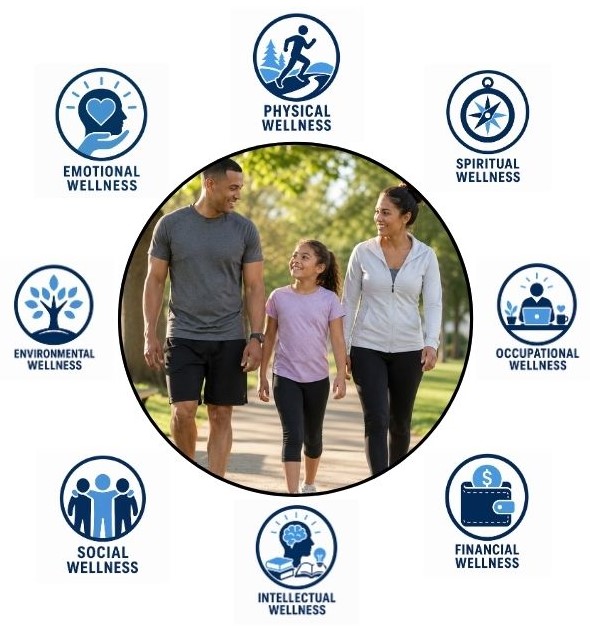
Participants can choose from eight areas of wellness, select a few of the Small Steps activities that fits their needs, and add them to their daily routine. Use the weekly wellness log to track your journey, and receive emails twice a month with motivation, wellness information, and trusted resources.
Over time, these small steps can support healthier habits, stronger connections, better coping, and a greater sense of purpose.